

Preparing a Home for an Insurance Inspection
The Situation
What Insurance Companies Are Really Looking For
A homeowner contacted us after receiving a notice from their insurance company that the property would be inspected.
Like many homeowners, they weren't sure what to expect. The home had been well maintained over the years. There were no active leaks, no major damage, and nothing that seemed particularly concerning.
Their question was simple:
"Do you think there's anything I should be worried about?"
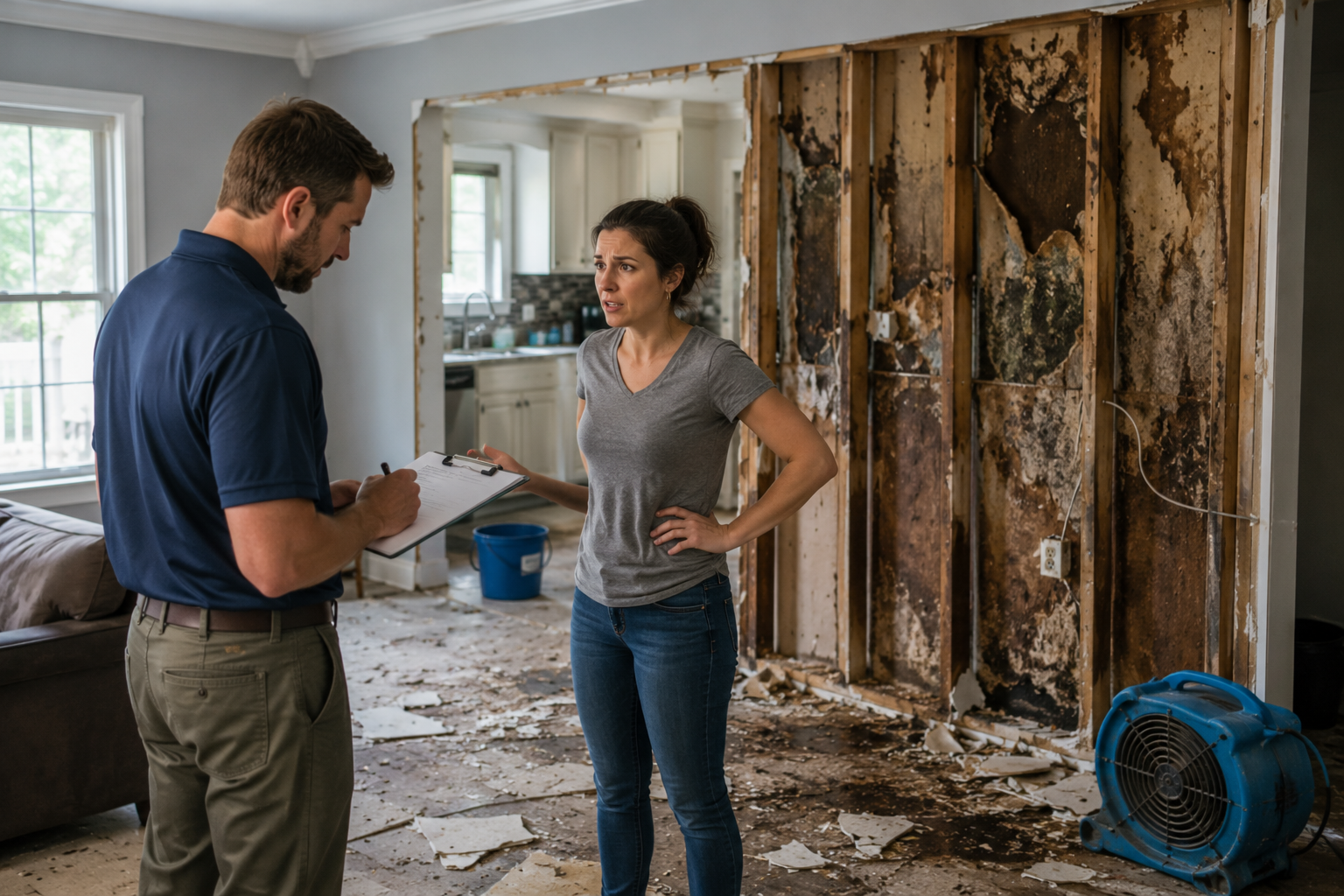
What We Found
We walked the property together, looking at it through the eyes of an insurance inspector rather than a homeowner.
Almost immediately, we noticed several items that had become easy to overlook.
Some exterior wood showed signs of weathering. Caulking around windows and other penetrations had deteriorated. Vegetation had grown closer to portions of the home than recommended. There were also a few deferred maintenance items that weren't serious today but could easily attract attention during an inspection.
To the homeowner, these were simply signs of a home that's been lived in and cared for over time.
To an insurance company, they could be viewed as conditions that increase the risk of future claims.
What Insurance Inspectors Look For
An insurance inspection isn't the same as a home inspection.
The goal isn't to determine whether a home is comfortable or functional. Instead, inspectors are evaluating conditions that could lead to future losses.
Depending on the property, they may pay close attention to:
Roof condition
Damaged or deteriorating exterior wood
Failing caulking and sealants
Vegetation too close to the structure
Signs of previous water intrusion
Deferred exterior maintenance
Conditions that could increase fire or water damage risk
Many of these issues aren't emergencies, but they can become concerns if left unaddressed.
Why Preparation Matters
Fortunately, this homeowner had time to make improvements before the inspection.
None of the recommendations required major reconstruction. Most involved routine maintenance and preventive repairs, helping present the property in the best possible condition.
More importantly, the homeowner approached the inspection feeling prepared instead of uncertain.
Taking care of smaller maintenance items ahead of time is often far easier than dealing with the consequences after an inspection report is completed.
The Bottom Line
Receiving notice of an insurance inspection can feel stressful, but it doesn't have to be.
Homes naturally age, and it's easy to stop noticing gradual changes when you see them every day. A second set of experienced eyes can often identify maintenance items before they become larger concerns.
Preparing in advance can help homeowners feel more confident and reduce the likelihood of surprises during the inspection process.